Blog

Your blog category

child with chickenpox

Chickenpox’s hidden toll: what the 2025 data means for MMRV in practice

Chickenpox put 3,037 children and young people in England into hospital in 2025, the last year before varicella vaccination joined the routine NHS schedule. That figure comes from the UK Health Security Agency’s Varicella Annual Report 2025, published on 30 October 2026 alongside a call for parents to make sure their children are protected. For

Chickenpox’s hidden toll: what the 2025 data means for MMRV in practice Read More »

covid 19 autumn 2026 programme

Autumn 2026 COVID-19 Vaccination Programme:

Autumn 2026 COVID-19 Vaccination Programme: What Healthcare Professionals Need to Know The autumn 2026 COVID-19 vaccination programme is approaching, and healthcare professionals involved in delivering the programme need to ensure they are familiar with the latest eligibility criteria, vaccines and clinical guidance. COVID-19 vaccination is now a targeted seasonal programme, focusing on people at the

Autumn 2026 COVID-19 Vaccination Programme: Read More »

Is Your Vaccination Team’s Training Up to Date?

Are all your vaccinators appropriately trained, up to date and assessed as competent for the vaccines they deliver? The UKHSA National Minimum Standards and Core Curriculum for Vaccination Training, updated in June 2025, provide a single framework for healthcare staff involved in vaccination. This includes registered healthcare professionals (RHPs) and healthcare support workers (HCSWs). For

Is Your Vaccination Team’s Training Up to Date? Read More »

Why We Vaccinate Against Influenza: The Continuing Case for Annual Flu Immunisation

Every winter, influenza places a substantial burden on patients, healthcare services and the wider health and care system. While influenza is often perceived as a routine seasonal illness, surveillance data continue to demonstrate its capacity to cause severe disease, hospitalisation and excess mortality, particularly among older adults, pregnant women, young children and individuals with underlying

Why We Vaccinate Against Influenza: The Continuing Case for Annual Flu Immunisation Read More »

Informed Consent for Vaccination Vs. Consent to Proceed: Understanding the Difference in Clinical Practice

Healthcare professionals involved in immunisation frequently use the terms “informed consent” and “consent to vaccinate” interchangeably. However, they are not the same process. Confusion between the two can create clinical, legal and governance risks, particularly when vaccination is delegated under mechanisms such as Patient Group Directions (PGDs), Patient Specific Directions (PSDs) or Vaccine Group Directions

Informed Consent for Vaccination Vs. Consent to Proceed: Understanding the Difference in Clinical Practice Read More »

Introducing Vaccine Group Directions (VGDs):

The legal framework for vaccine delivery across the UK has changed. Following updates to the Human Medicines Regulations (HMR) 2012, Vaccine Group Directions (VGDs) have been introduced, replacing the temporary National Protocols used during the COVID-19 pandemic. This blog outlines what VGDs are, what has changed, and how they sit alongside other legal mechanisms such

Introducing Vaccine Group Directions (VGDs): Read More »

RSV – Expanded Vaccination Programme from 1st April 2026

The NHS Respiratory Syncytial Virus (RSV) vaccination programme for older adults is entering a significant new phase in 2026. Following advice from the Joint Committee on Vaccination and Immunisation (JCVI), eligibility is expanding to better protect those at highest risk of severe disease. This blog summarises the key updates, clinical rationale, and operational considerations for

RSV – Expanded Vaccination Programme from 1st April 2026 Read More »

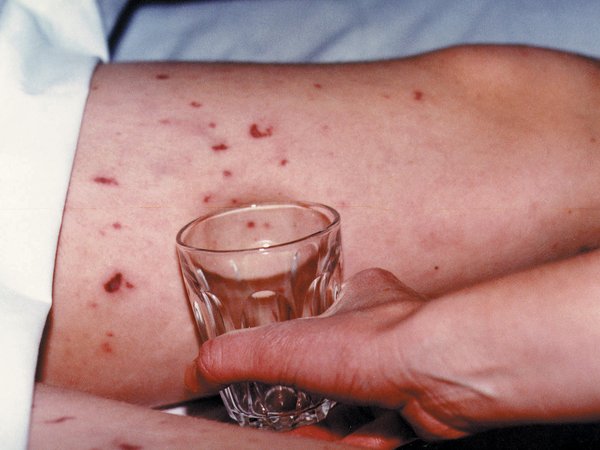
meningococcal rash

What do you say to worried parents/students: Men B outbreak

Bite‑size clinician FAQ for parent and student consultations Meningococcal group B (MenB) remains the leading cause of invasive meningococcal disease (IMD) in England, responsible for over 80% of cases (313 of 378) in 2024/25. While overall incidence is low, the disease is severe and can progress rapidly. Recent high-profile incidents, such as the Kent cluster,

What do you say to worried parents/students: Men B outbreak Read More »

Scroll to Top