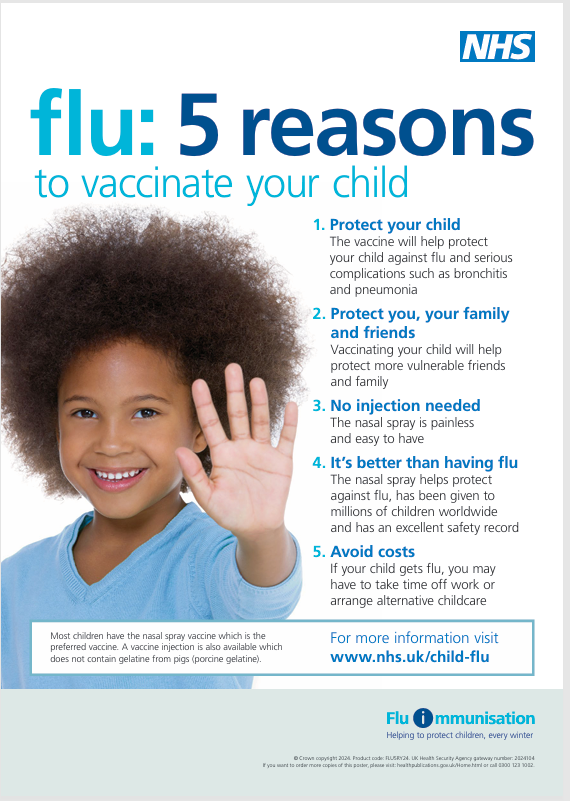
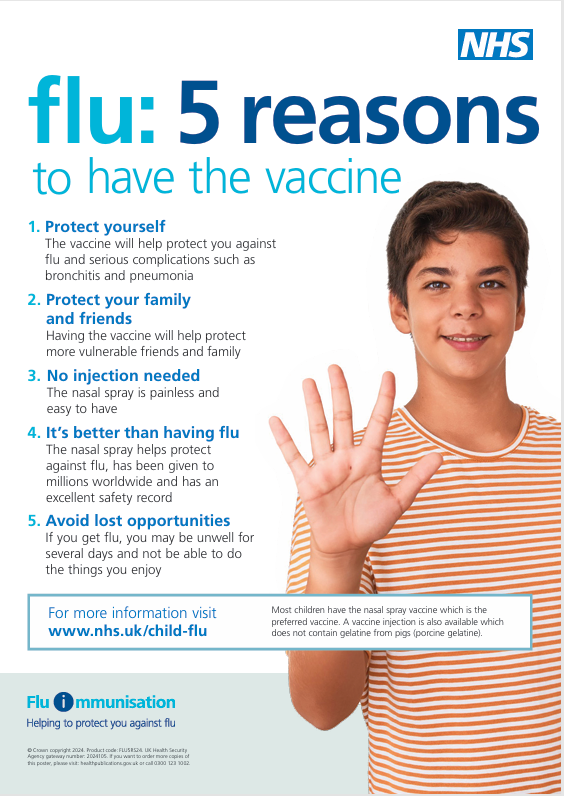
Every winter, influenza places a substantial burden on patients, healthcare services and the wider health and care system. While influenza is often perceived as a routine seasonal illness, surveillance data continue to demonstrate its capacity to cause severe disease, hospitalisation and excess mortality, particularly among older adults, pregnant women, young children and individuals with underlying health conditions.
For healthcare professionals, understanding the rationale behind annual influenza vaccination is essential not only for delivering the national immunisation programme but also for supporting informed discussions with patients and colleagues.
Influenza Remains a Significant Public Health Threat
Influenza is an acute viral respiratory infection caused predominantly by influenza A and B viruses. It is highly infectious, with an incubation period typically ranging from one to three days. Seasonal epidemics occur annually and can result in substantial morbidity and mortality. (GOV.UK)
Recent UK surveillance data highlight the continuing impact of influenza. During the 2024 to 2025 season, influenza-attributable excess mortality in England was estimated at 7,757 deaths. Intensive care and high dependency unit admission rates were also higher than in the previous two seasons, demonstrating the potential severity of seasonal influenza even outside of pandemic conditions. (GOV.UK)
These figures reinforce an important point: influenza is not simply a self-limiting respiratory illness. For vulnerable populations, it can lead to severe complications including pneumonia, exacerbations of chronic respiratory and cardiovascular disease, hospital admission and death.
Why Annual Vaccination Is Necessary
Unlike many vaccine-preventable diseases, influenza viruses evolve continuously through antigenic drift. These genetic changes alter viral surface proteins, reducing the effectiveness of immunity generated by previous infection or vaccination.
As a result, influenza vaccines are reviewed and updated annually to match the strains predicted to circulate during the forthcoming season. Annual vaccination therefore serves two purposes: it addresses waning immunity over time and improves protection against newly circulating viral variants. (GOV.UK)
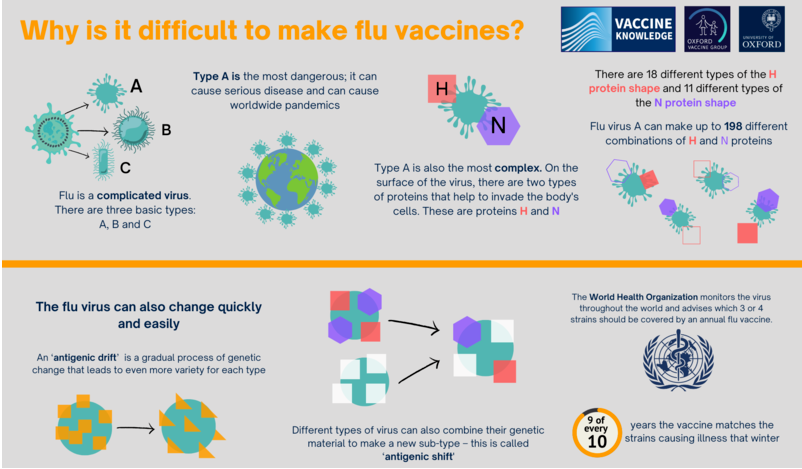
This need for regular vaccine updates is a defining feature of influenza prevention and explains why annual vaccination remains necessary even for individuals who have received flu vaccines in previous years.
Protecting Those Most at Risk
The national flu immunisation programme prioritises groups at increased risk of severe disease and complications. These include:
- adults aged 65 years and over
- pregnant women
- people with chronic respiratory, cardiovascular, neurological, renal, hepatic or metabolic conditions
- individuals who are immunosuppressed
- residents of long-stay care homes
- carers and certain frontline health and social care workers. (GOV.UK)
The rationale is clear. These populations experience disproportionately higher rates of hospitalisation, complications and mortality following influenza infection. Vaccination reduces the likelihood of severe outcomes and contributes to the protection of vulnerable individuals across healthcare and community settings. (GOV.UK)
Reducing Pressure on the NHS
Influenza vaccination is not solely an individual-level intervention. It is also a critical component of winter preparedness.
The annual flu immunisation programme is designed to help mitigate seasonal pressures on the NHS and social care services by reducing influenza-related consultations, hospital admissions and complications. National programme guidance consistently highlights the role of vaccination in protecting both individuals and healthcare capacity during periods of increased respiratory virus circulation. (GOV.UK)
The impact of severe influenza seasons can be considerable. Higher rates of ICU admission and excess mortality observed in recent surveillance reports illustrate how seasonal influenza contributes to increased demand across urgent and emergency care pathways. (GOV.UK)
The Role of Healthcare Workers
Healthcare workers have a dual role in influenza prevention. First, vaccination helps protect staff from illness and reduces sickness absence during periods of peak service demand. Second, it helps minimise the risk of transmitting influenza to vulnerable patients.
The 2026 to 2027 national flu immunisation programme emphasises that all frontline healthcare workers, including both clinical and non-clinical staff with patient contact, should be offered influenza vaccination as part of organisational infection prevention and control measures. (GOV.UK)
Vaccination of healthcare workers therefore contributes not only to workforce resilience but also to patient safety.
Beyond Individual Protection
Influenza vaccination delivers benefits that extend beyond the vaccinated individual. By reducing transmission, vaccination helps protect those who may be unable to mount an adequate immune response or who are at greatest risk of severe outcomes.
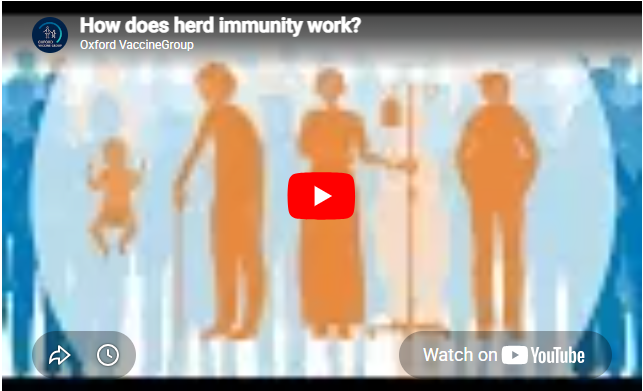
Herd immunity (Herd protection) | Vaccine Knowledge Project
Although vaccine effectiveness varies from season to season depending on circulating strains, vaccination consistently remains one of the most effective public health measures available to reduce severe disease and lessen the overall burden of influenza. Surveillance programmes continue to assess vaccine effectiveness, hospitalisations averted and mortality impacts as part of annual epidemiological reporting. (GOV.UK)
Conclusion
The case for annual influenza vaccination remains compelling. Influenza continues to cause significant illness, hospitalisation and excess mortality each winter, particularly among vulnerable groups. The virus’s ability to evolve necessitates annual vaccine updates, while ongoing surveillance demonstrates the continuing burden influenza places on healthcare services.
For healthcare professionals, supporting influenza vaccination is therefore about more than preventing infection. It is about protecting patients, safeguarding healthcare capacity, reducing winter pressures and contributing to a wider public health strategy that saves lives every year. (GOV.UK)
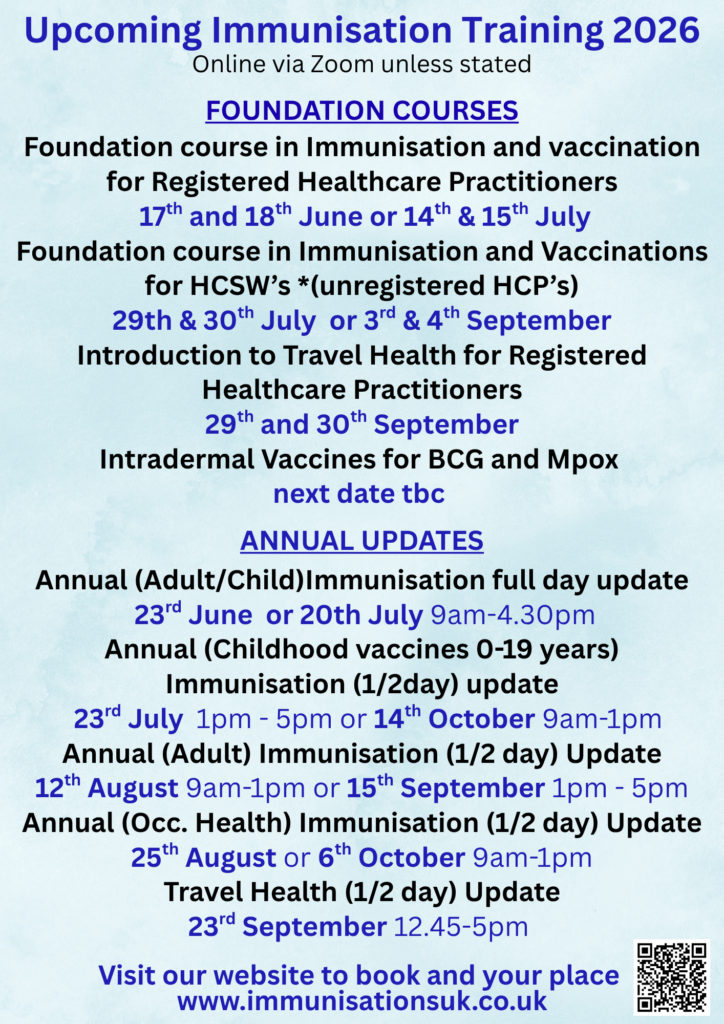
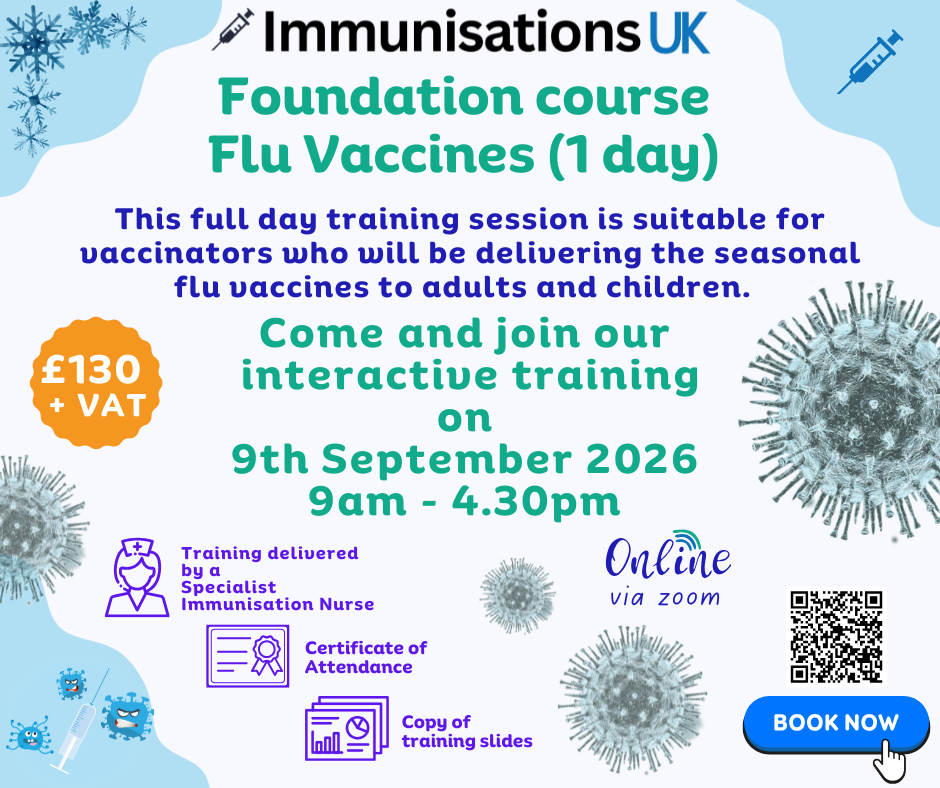
Vaccination Training:
Training for flu vaccinators should be undertaken in line with the recommendations made in the National Minimum Standards and Core Curriculum for Vaccination Training.
Visit Training dates 2026 – Immunisation & Vaccination Course
Useful Resources:
- Green Book Chapter Influenza
- National flu immunisation programme 2025 to 2026 letter – GOV.UK
- Influenza vaccines marketed in the UK – GOV.UK
- Discover the health resource library
- Protecting your child against flu; Information for parents and carers
- Protect yourself against flu; Information for those in secondary school
- Flu: 5 reasons to get your child vaccinated – Primary School
- Flu: 5 reasons to get your child vaccinated – Secondary School
- Flu vaccination in schools – GOV.UK
- Flu vaccine | Vaccine Knowledge Project