
Improving vaccine uptake and addressing vaccine hesitancy is essential for ensuring public health safety. In the UK, vaccinators play a crucial role in dispelling myths, providing accurate information, and helping individuals feel confident in their decisions. Drawing on official guidance, including resources from Gov.uk Immunisation collection pages, Oxford Vaccine Group – vaccine knowledge, NHS website- Vaccinations page and NICE (National Institute for Health and Care Excellence), here are key tips to improve vaccine uptake:
1. Build Trust Through Empathy
- Tip: Listen to patients’ concerns and show empathy. Acknowledge their feelings and ensure they feel heard and respected.
- Why: People are more likely to trust healthcare providers who listen without judgment. Empathy can help create an open dialogue and build rapport, which can be essential in overcoming hesitancy.

2. Provide Clear, Accurate, and Accessible Information
- Tip: Offer straightforward, factual information tailored to the individual’s concerns. Be clear about the benefits and risks of the vaccine.
- Why: Providing evidence-based answers helps dispel myths and misconceptions. NICE guidance emphasizes that patients should have access to information in formats they understand, which may include simple language, visuals, or translated materials where needed.
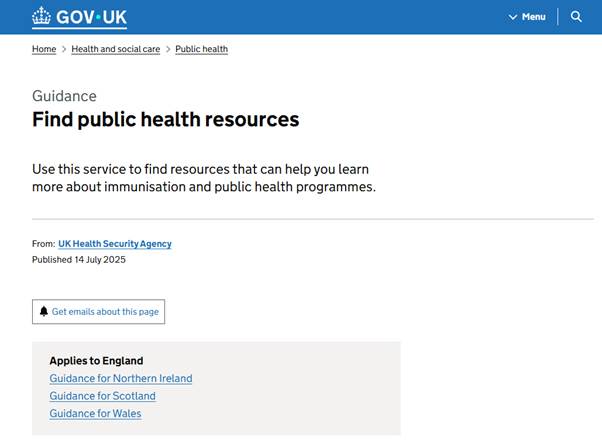
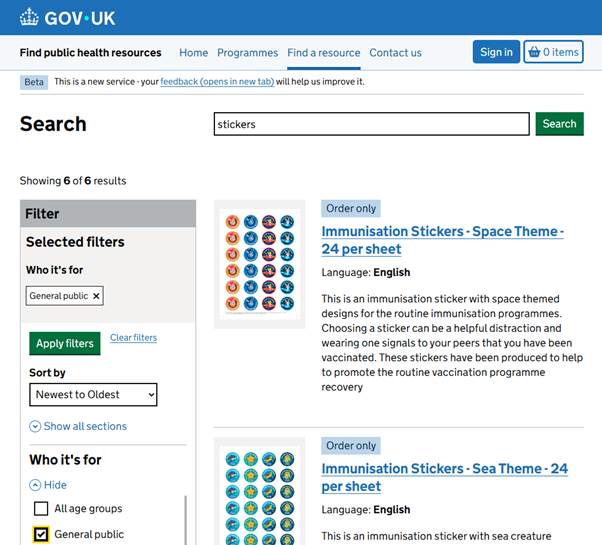
You can view, download, or order printed copies of leaflets, posters and other resources for free from Find Public Health Resources.
3. Address Myths and Misconceptions Directly
- Tip: If a patient shares a myth (e.g., vaccines cause infertility), address it calmly with factual evidence. Share resources from reputable sources like the NHS or UK Health Security Agency.
- Why: Misconceptions about vaccines are common, but they can often be corrected with evidence-based explanations. Providing accurate facts can help reduce fear and uncertainty.
The Vaccine Safety Net is a global network of websites, established by WHO, that provides reliable information on vaccine safety.
Who are the Vaccine Safety Net – click here
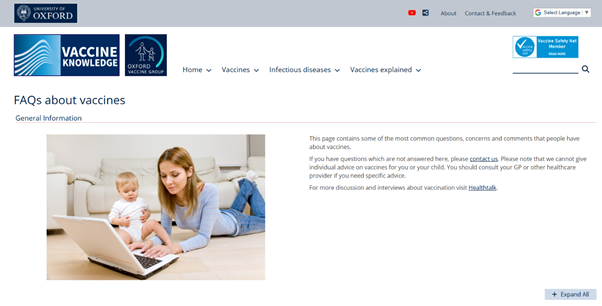
Vaccine Knowledge is a source of independent, evidence-based information about vaccines and infectious diseases. It provides clear information on complex topics and backs it up with references to high-quality, reliable research.
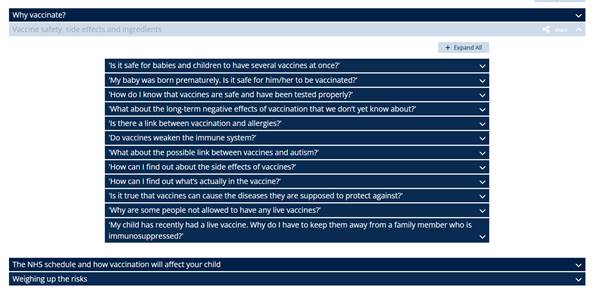
The FAQs page is particularly useful for the common questions/challenges vaccinators face.
4. Use “Motivational Interviewing” Techniques
- Tip: Employ motivational interviewing to explore the reasons behind hesitancy. Ask open-ended questions like: “What concerns do you have about the vaccine?”
- Why: This patient-centred approach allows individuals to express their concerns and helps vaccinators guide them toward informed decision-making. NICE guidelines suggest using techniques that encourage collaboration rather than confrontation.
Oxford Vaccine Group – Vaccine knowledge – has lists of common questions and answers – FAQs about vaccines | Vaccine Knowledge Project
5. Build Confidence in the Vaccine’s Safety
- Tip: Highlight the rigorous testing and safety monitoring that vaccines undergo, and the role of regulatory bodies like the Medicines and Healthcare products Regulatory Agency (MHRA).
- Why: Many people are hesitant because they believe vaccines are unsafe. Emphasizing that vaccines are rigorously tested for safety and effectiveness can reassure patients.
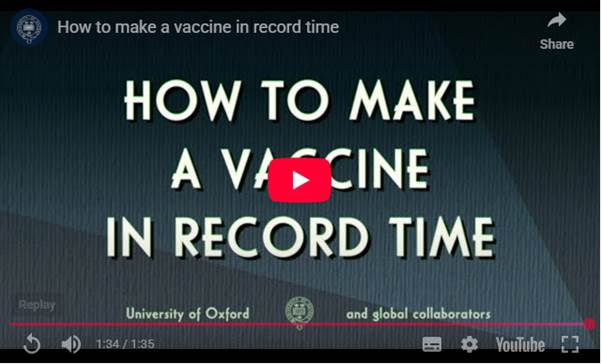
OVG – Vaccine knowledge has coherent information about vaccine safety, including details on how vaccines are tested, licensed and continuously monitored. This is a good video of reference for how vaccines are licensed.
How to make a Vaccine in record time…safely.
Vaccines usually take decades to develop and license, so how did the University of Oxford create the Oxford/AstraZeneca vaccine so quickly? View the animation below to understand how new collaborative approaches to science, global manufacturing and distribution have been created.
NHS Vaccinations page – Families might also want reassurance from General Practitioners about the safety of vaccines for their baby. This is section has a good video of a GP talking to a mother about childhood vaccines and answering the FAQs.
6. Be Transparent About Side Effects
- Tip: Be honest about potential side effects and explain that they are generally mild and temporary, such as soreness at the injection site or a mild fever.
- Why: Transparency is key to building trust. NICE guidelines suggest that individuals should be informed about the likelihood and nature of any side effects before they receive the vaccine.
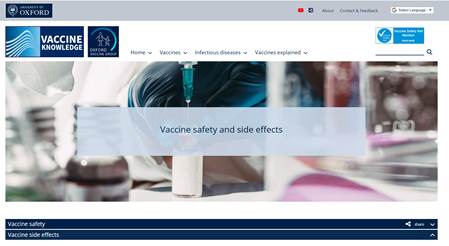
Oxford Vaccine Group (Vaccine Knowledge) and the NHS (vaccination) website are useful resources to refer to in support of reassuring patients of the mild and self-limiting side effects of most vaccines.
7. Promote the Collective Benefit
- Tip: Frame the vaccine as a way of protecting vulnerable individuals, like elderly relatives or people with underlying health conditions.
- Why: Highlighting the community or societal benefit can make people feel more motivated. NICE suggests emphasizing collective responsibility as a motivating factor for vaccine uptake.
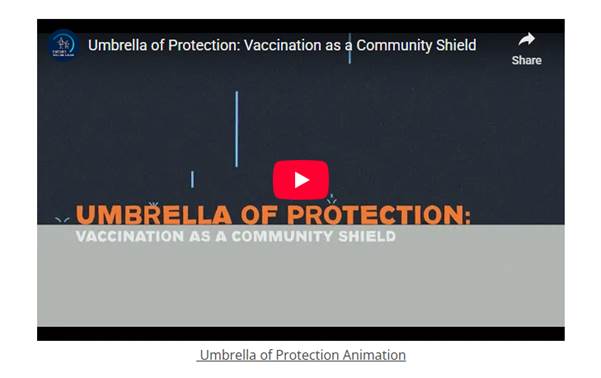
The Oxford Vaccine Group have some good videos about Herd immunity/community protection.
8. Normalize Vaccination in the Community
- Tip: Encourage family members or community leaders to share their experiences with vaccines. Community endorsement can influence decision-making.
- Why: Social norms have a powerful impact on health behaviours. By seeing others, especially trusted individuals, getting vaccinated, people are more likely to follow suit.
Find public health resources – GOV.UK
9. Ensure Accessibility
- Tip: Make the vaccination process as easy as possible. Ensure people know where and when vaccines are available, and provide support to overcome barriers (e.g., transportation, language).
- Why: Practical barriers like difficulty accessing vaccination services can be a major deterrent. NICE guidance and UKHSA (2025) Quality Standards emphasize the importance of removing these barriers to improve vaccine uptake.
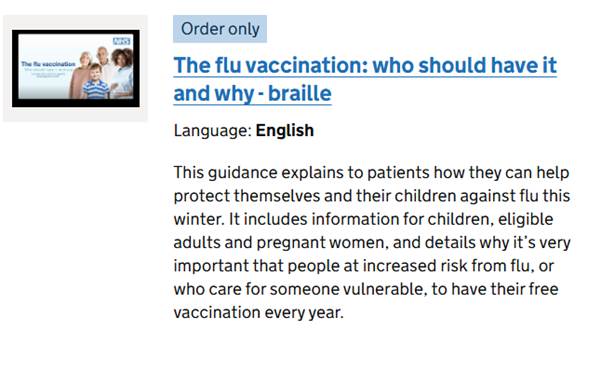
Many of the resources are available in different languages, search on Find public health resources. There are also easy read videos and leaflets, braille and BSL resources.
Find public health resources – GOV.UK
Google Translate is another resource where you can translate any website into a different language. This can be used during consultations to ensure Informed consent is gained, when language could be a barrier.
10. Engage in Continuous Education and Training
- Tip: Stay updated on new research, vaccine guidance, and common concerns that may arise. Ongoing training for vaccinators is essential to keep skills sharp.
- Why: Vaccine misinformation can evolve over time. Continuous professional development ensures that vaccinators can handle emerging concerns and have the latest information available.
Sign up for emails from GOV.UK Immunisations collection page:
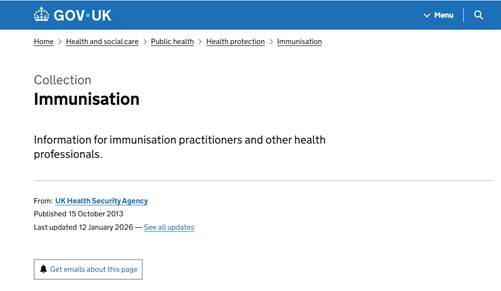
Sign up to receive the Vaccine update newsletter.
Vaccine update (VU) is a regular newsletter describing the latest developments in vaccines, and vaccination policies and procedures.

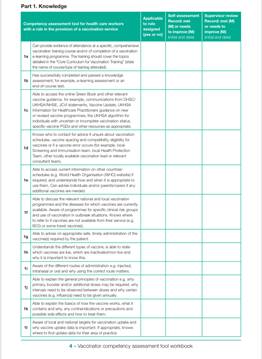
Make sure you are compliant with UKHSA 2025 National training standards and core competency in Vaccination.
In Summary:
By combining empathy, clear communication, and trusted resources, vaccinators can help reduce vaccine hesitancy and contribute to higher vaccination rates across the UK.
📅 Check out our training dates and book online for your annual immunisation/vaccination training.