
Autumn 2026 COVID-19 Vaccination Programme: What Healthcare Professionals Need to Know
The autumn 2026 COVID-19 vaccination programme is approaching, and healthcare professionals involved in delivering the programme need to ensure they are familiar with the latest eligibility criteria, vaccines and clinical guidance.
COVID-19 vaccination is now a targeted seasonal programme, focusing on people at the greatest risk of serious illness. Although many people have previously been vaccinated or infected with COVID-19, protection can wane over time. The aim of the seasonal programme is therefore to help protect those most vulnerable to severe disease, hospitalisation and death. (GOV.UK)
UKHSA reports that vaccine effectiveness following the autumn 2025 programme was around 47% during the three months following vaccination. Around 16,000 people were admitted to hospital with COVID-19 between October 2025 and January 2026, highlighting that COVID-19 continues to cause significant illness, particularly among vulnerable groups. (UKHSA Blog)
Who is eligible in autumn 2026?
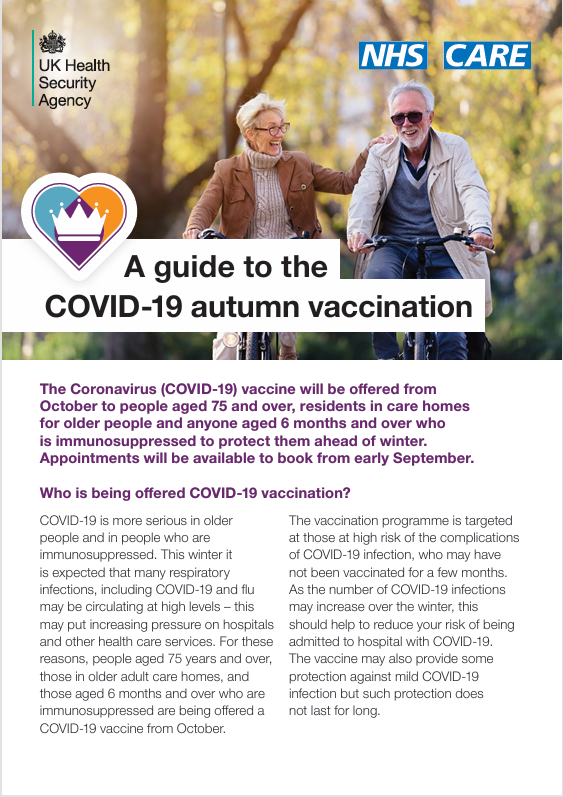
For the autumn 2026 programme, COVID-19 vaccination should be offered to:
- adults aged 75 years and over
- residents in care homes for older adults
- individuals aged 6 months and over who are immunosuppressed, as defined in the COVID-19 chapter of the Green Book.
This includes individuals aged 74 who will turn 75 before the campaign ends on 31 January 2027. (GOV.UK)
The eligibility criteria remain focused on those at highest risk of severe COVID-19 disease. (UKHSA Blog)
Identifying people who are immunosuppressed
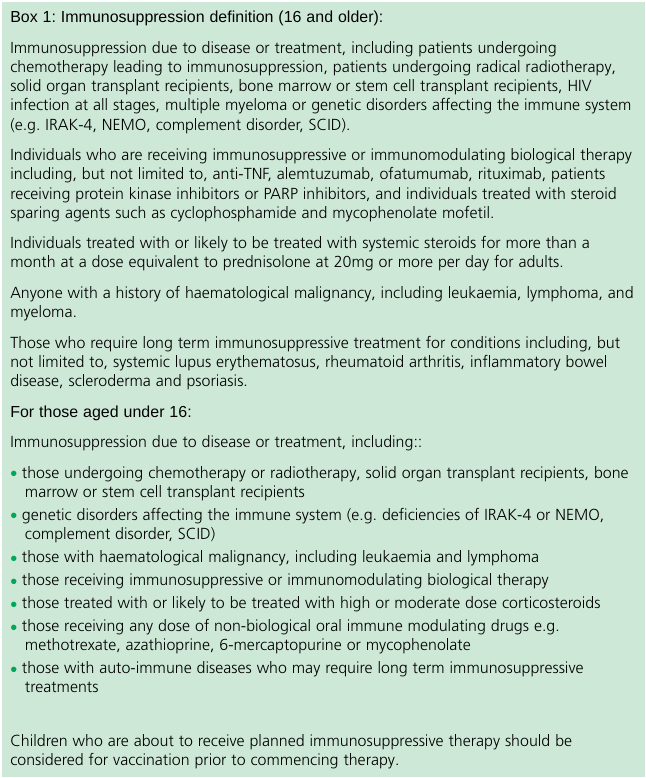
Determining eligibility because of immunosuppression can sometimes be more complex than age-based eligibility.
Examples of people who may meet the criteria include those who have had an organ, bone marrow or stem cell transplant, people receiving certain immunosuppressive or immunomodulating treatments, those undergoing chemotherapy or radiotherapy, some people receiving prolonged systemic steroid treatment, people with certain haematological malignancies and those with particular conditions affecting the immune system. (UKHSA Blog)
However, these examples are not exhaustive.
Healthcare professionals should refer to the immunosuppression criteria within Tables 3 and 4 of the Green Book COVID-19 chapter rather than relying on a general description of someone being “immunosuppressed”. Where there is uncertainty, specialist advice should be sought. (GOV.UK)
Which COVID-19 vaccines will be used?
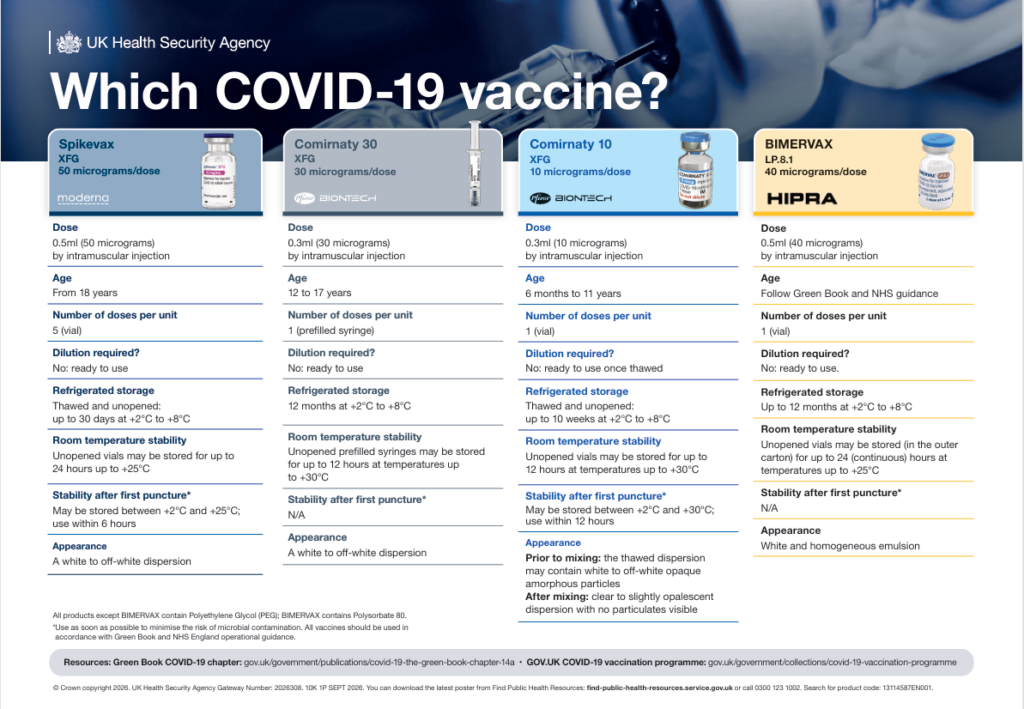
For autumn 2026, the recommended vaccines are updated monovalent mRNA vaccines containing mRNA for the spike protein of a sub-lineage of the Omicron variant of SARS-CoV-2. (GOV.UK)
The healthcare practitioner guidance identifies age-appropriate vaccines for the campaign. For example:
Eligible adults aged 18 years and over
A 0.5 mL dose of Moderna Spikevax 50 micrograms/dose COVID-19 vaccine (Spikevax XFG 0.1 mg/mL).
Eligible young people aged 12–17 years
A 0.3 mL dose of Pfizer-BioNTech Comirnaty 30 micrograms/dose COVID-19 vaccine (Comirnaty 30 XFG). (GOV.UK)
Different products and doses apply to younger children. Vaccinators must therefore check the current Green Book, relevant legal mechanism and product information and be familiar with the presentation, preparation and administration requirements of the vaccine they are using.
Importantly, the vaccines supplied for the autumn 2026 campaign are ready to use and do not require dilution. (GOV.UK)
How many doses are required?
For eligible individuals aged 5 years and over, a single COVID-19 vaccine dose per seasonal campaign is routinely recommended, regardless of previous vaccination history.
Eligible children aged 6 months to 4 years who have not previously been vaccinated require a second dose to complete their primary course. Specific recommendations also apply to some individuals who are immunosuppressed, so vaccinators should consult the Green Book for full details. (GOV.UK)
What interval should be used?
For clinical practice, JCVI recommends that a minimum interval of 3 months is routinely left between COVID-19 vaccine doses to help maximise the duration of protection.
This also applies to eligible individuals who have received COVID-19 vaccination overseas or privately. Previous vaccination should not prevent an eligible person from receiving their seasonal NHS dose, provided the appropriate interval is observed. (GOV.UK)
Pregnancy and breastfeeding
Pregnancy itself is not an eligibility criterion for the autumn 2026 COVID-19 vaccination programme.
However, an eligible pregnant woman – for example, someone who is immunosuppressed due to disease or treatment – can and should be offered COVID-19 vaccination.
COVID-19 vaccination can be given at the same time as, or at any interval before or after, other vaccines offered during pregnancy, including influenza, pertussis-containing and RSV vaccines. (GOV.UK)
Co-administration with other vaccines
With several vaccination programmes running during the autumn and winter period, healthcare professionals should take opportunities to offer all vaccines for which an individual is eligible.
COVID-19 vaccine can be co-administered with RSV vaccine, including in eligible older adults. There is no minimum interval required between RSV and COVID-19 vaccination if they are not given at the same appointment. (GOV.UK)
This can be particularly useful when vaccinating residents of older adult care homes, reducing the need for multiple appointments or visits.
Don’t forget the legal mechanism
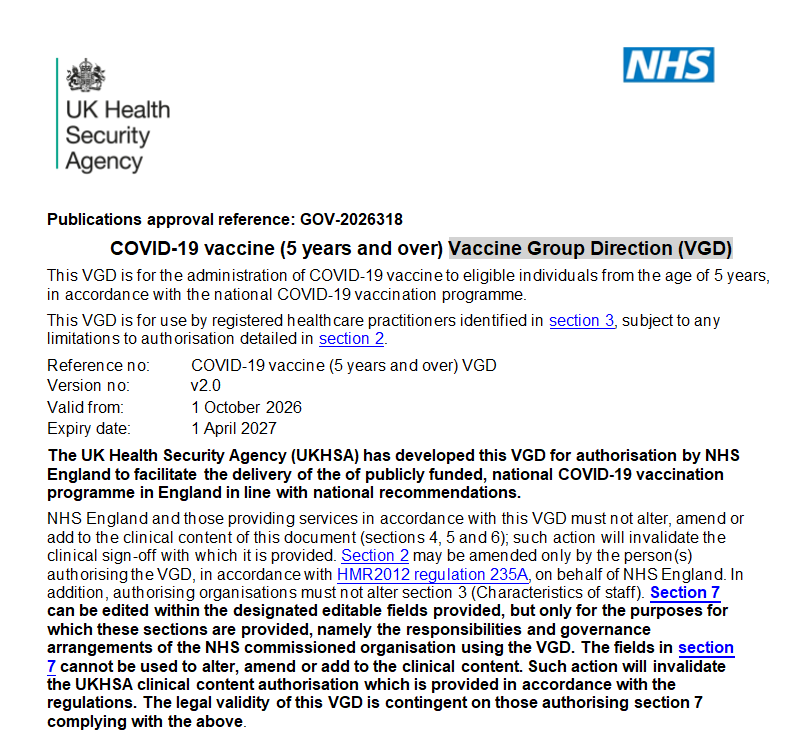
Healthcare professionals must ensure they are working under an appropriate and authorised legal mechanism and understand its requirements.
UKHSA highlights the introduction of Vaccine Group Directions (VGDs) following changes to the Human Medicines Regulations ahead of the spring 2026 campaign. Healthcare professionals should therefore ensure that they understand any implications for their role and follow locally authorised documentation and governance arrangements. (GOV.UK)
Before the programme starts – are you ready?
Healthcare professionals involved in the autumn programme should ensure that they:
- understand who is eligible
- can accurately identify individuals meeting the immunosuppression criteria
- are familiar with the vaccine product, presentation and correct dose for the age group they are vaccinating
- understand the recommended dose intervals
- know the current guidance on co-administration
- have completed appropriate COVID-19 vaccination training and competency assessment (UKHSA)
- understand contraindications, precautions and management of adverse reactions
- are familiar with current storage, handling and administration requirements
- know how to recognise, manage and report vaccine incidents and administration errors (UKHSA)
- are working under the appropriate legal mechanism and local authorisation
- know how and when to report suspected adverse reactions through the MHRA Yellow Card scheme. (GOV.UK)
Key message for vaccinators
The autumn 2026 COVID-19 programme is a targeted offer for those at greatest risk of serious disease.
Healthcare professionals have an important role not only in safely administering vaccines but also in identifying eligible patients, checking clinical suitability and providing clear, evidence-based information to support informed decision-making.
As guidance can change, vaccinators should always access the healthcare practitioner guidance online rather than relying on previously downloaded copies, and should use it alongside the current Green Book COVID-19 chapter, relevant product information and authorised legal mechanism. (GOV.UK)
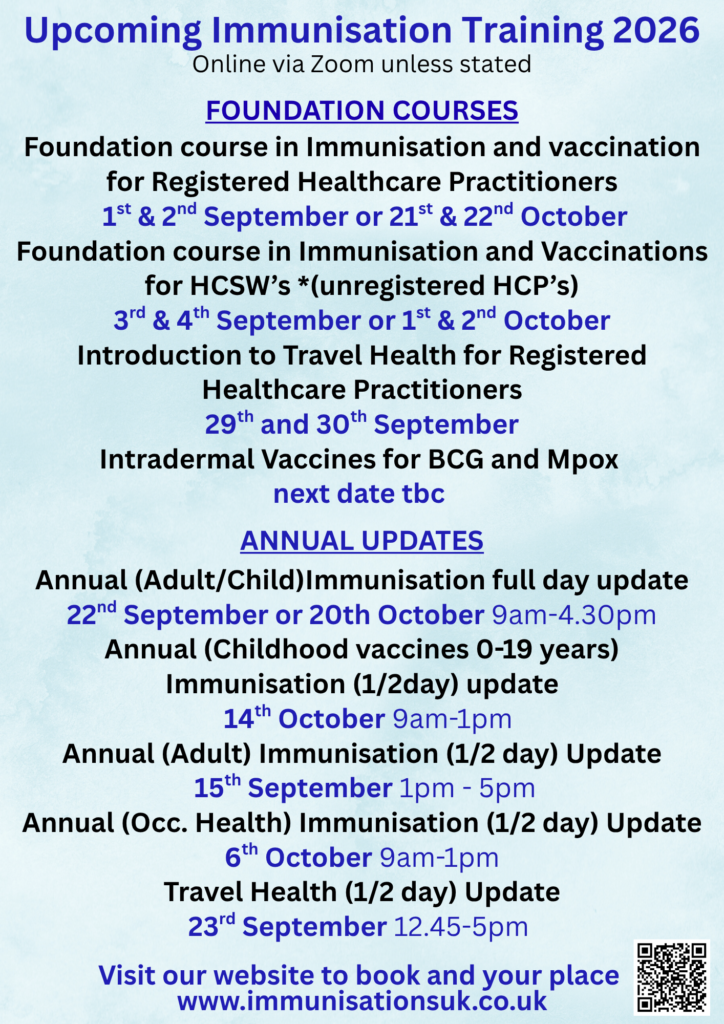
Thank you for reading, for more detail do join us for live/interactive Immunisation training via Zoom – see Training Dates:
Further reading
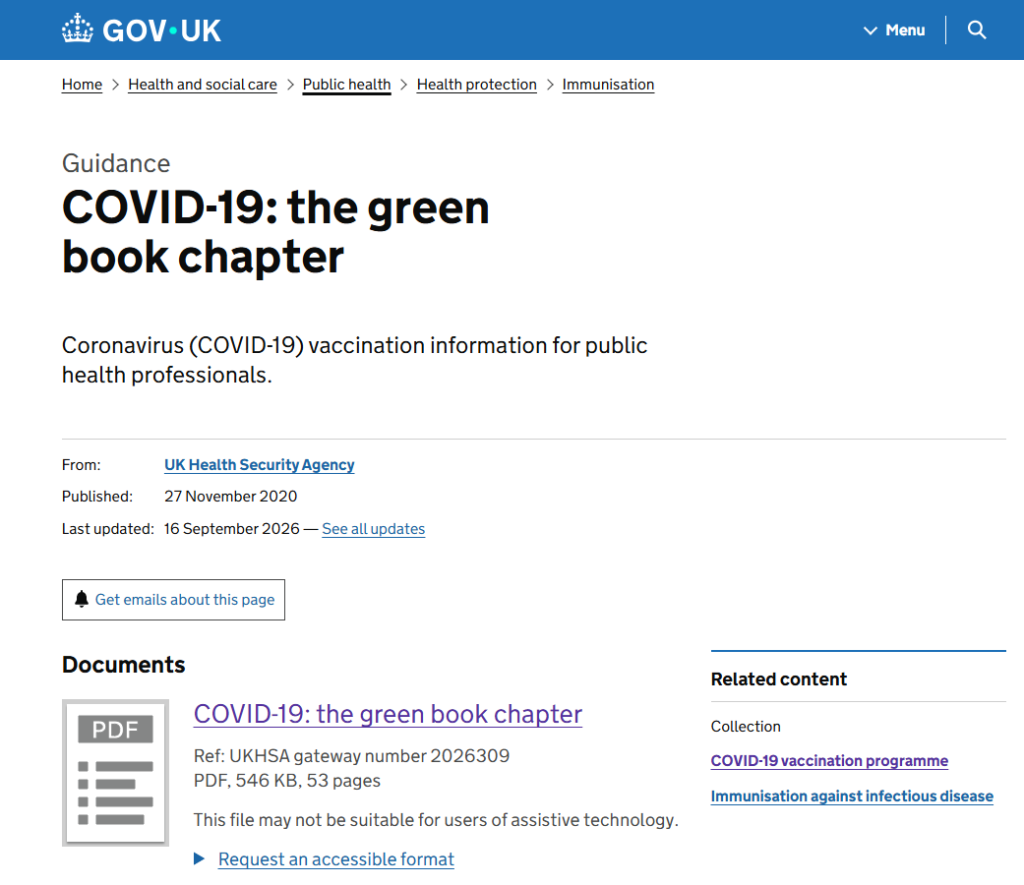
COVID-19: the green book chapter – GOV.UK
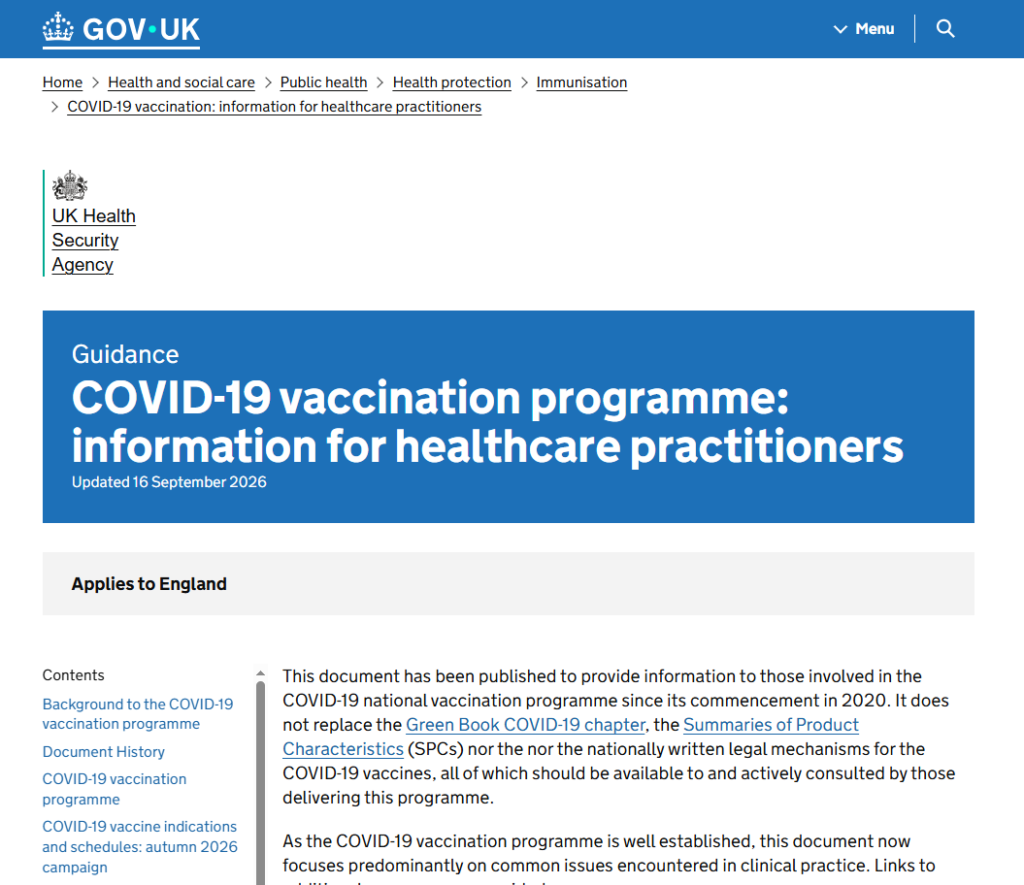
COVID-19 vaccination: information for healthcare practitioners – GOV.UK
COVID-19 vaccination: autumn programme resources – GOV.UK
Who’s eligible for the 2026 COVID-19 vaccine, or ‘Autumn Booster’? – UKHSA
Advice accepted on autumn 2026 COVID-19 vaccination programme – GOV.UK
Find public health resources – GOV.UK
Green Book: Chapter 5 Immunisation by nurses
National Minimum Standards and Core Curriculum for Vaccination Training – GOV.UK